A sample is the only version of your product you get to inspect before paying for thousands of units. Most sample-stage regrets come from treating it as a formality — approving too fast, from photos, or without writing down what was approved.
Quick answer
Samples should be reviewed for material, dimensions, finish, color, function, logo, packaging, labeling, and whether the sample matches the intended production method. Every revision should be tracked in writing before bulk production starts.
Why this matters for buyers
The approved sample is your contract in physical form. When bulk production arrives different, the dispute comes down to what the sample proved and what was documented — not what anyone remembers agreeing to.
What a sample should prove
Before approving anything, be clear about what this particular sample is supposed to demonstrate — material, function, color, packaging, or all of them at once.
A sample review should confirm:
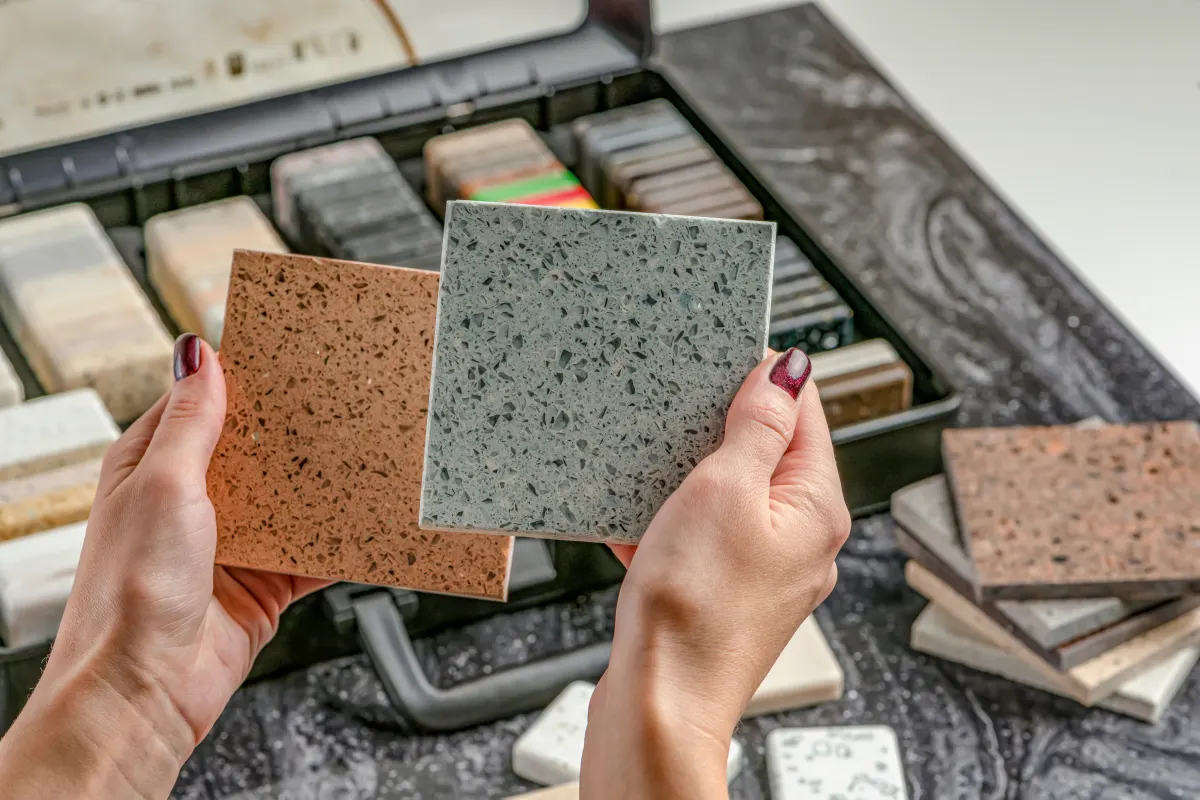
- Material, thickness, finish, weight, color, and surface quality.
- Product dimensions, tolerance range, assembly, fit, and functional performance.
- Logo placement, print quality, engraving, embroidery, label, or tag details.
- Unit packaging, insert, barcode, warning label, carton mark, and protection method.
- Whether the sample was hand-made, from tooling, or made using the expected production process.
- A written approval record that lists remaining changes before bulk production.

Why good-looking samples still fail
A supplier may send a sales sample that is better than normal production unless the buyer asks how it was made. Color approval can fail if lighting, material batch, and acceptable tolerance are not discussed.
Packaging samples may be reviewed separately from the product, causing fit or protection issues later. Revision notes can get buried in chat threads instead of becoming part of the final approval record.
A practical sample revision example
A buyer approving a fabric organizer may like the first sample shape but request a stronger zipper, a slightly different gray, and a revised insert card. If those changes are not written into the approval record, the factory may produce the shape from the first sample with only one of the requested changes.
Photograph the sample, date the photos, list the approved specs beside them, and send the whole record back to the supplier for confirmation. Five minutes of documentation ends most future arguments before they start.
Questions to ask suppliers or partners
- Was this sample made using the same material and process planned for bulk production?
- Which sample details are approved and which still need revision?
- Can the supplier provide photos of the final packaging sample?
- What tolerances should inspection use for size, color, finish, and function?
- Who will keep the golden sample or approved sample record?
How Funda Sourcing supports this step
Funda Sourcing can help buyers organize sample review notes, revision tracking, packaging confirmation, and inspection checklist inputs. The goal is to make the approved sample useful for production and QC, not just for a buyer's first impression.
Sample review is part of Funda's quality control support, from first prototype to golden sample.
Sample-focused readers may also want the sample approval checklist, quality check planning guide, and private label packaging details.
Frequently Asked Questions
Funda take
Samples deserve slow attention. A buyer should know what the sample proves, what it does not prove, and which final changes must be confirmed before production money is at risk.
Slow is fast at the sample stage. Every ambiguity you clear before approval is a defect you will not be negotiating over after production.
Heading into the sample stage?
Funda coordinates sample requests, revision notes, and approval records with Asian suppliers, so what you approve is what production has to match.

