
Tariffs are the least negotiable line in your landed cost — no supplier discount touches them, and misjudging a duty rate can erase a product's entire margin before the first unit sells.
Quick answer
Buyers should estimate import duties before confirming price by reviewing likely HS codes, country of origin, product description, material, trade term, freight assumptions, and landed cost. Classification and tariff questions should be verified with a qualified customs broker or trade professional.
Why this matters for buyers
Duty math starts with classification: the HS code determines the rate, and plausible-looking codes for the same product can differ by double-digit percentages. Suppliers often suggest codes optimistically; the customs authority at your border has the final word — and the penalty pen.
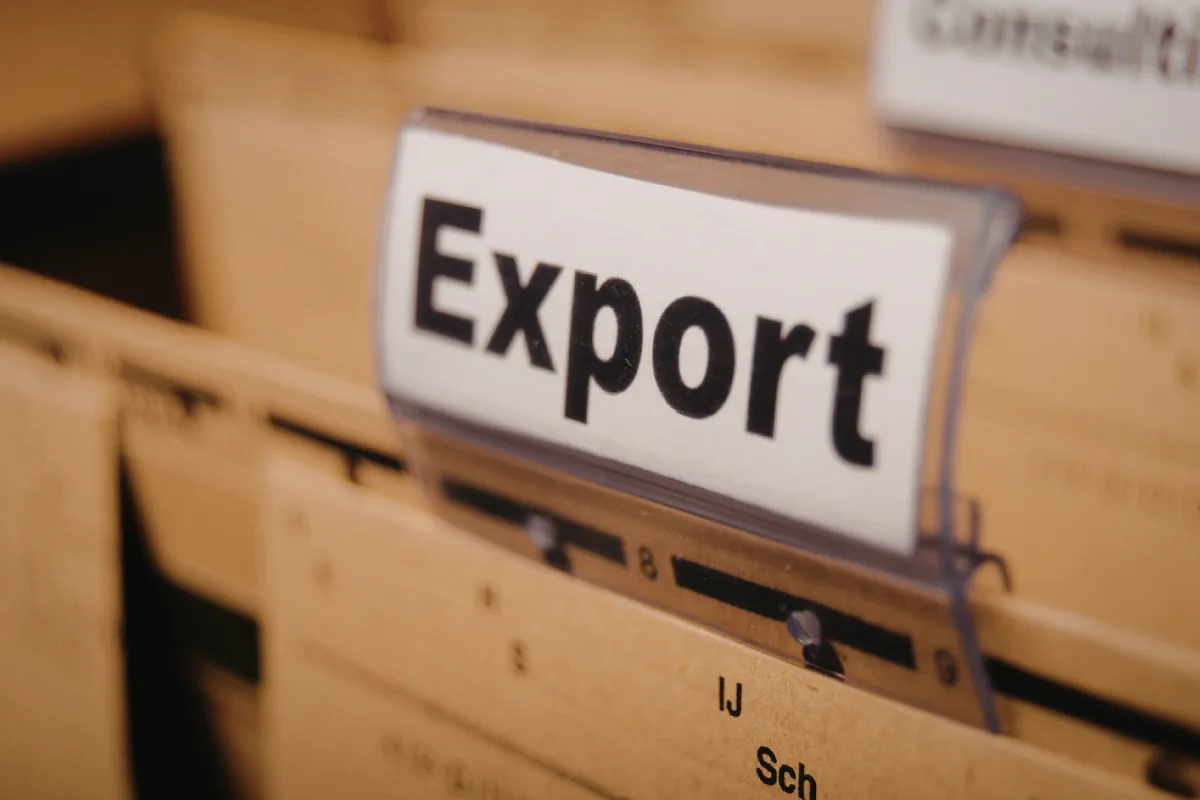
Duty details to estimate before ordering
Estimate duties with real numbers before committing to the order economics.
Establish before ordering:
- Likely HS code or classification range based on product function, material, and use.
- Country of origin and whether any components or processing steps affect origin claims.
- FOB, CIF, DAP, DDP, or other trade term used in the supplier quote.
- Product cost, packaging cost, freight, insurance, duty, tax, broker fee, and final delivery.
- Whether tariffs, exclusions, trade remedies, or special rules may apply.
- Documentation needed for customs entry, accounting, and internal records.

Where tariff assumptions go wrong
Buyers may use a supplier's suggested HS code without broker review. A tariff estimate based on the wrong material or product use can distort margin.
DDP quotes may hide duty assumptions instead of showing how import cost is handled. Changing country of origin is not a simple label decision; it depends on real production and rules.
A practical landed-cost example
A buyer comparing the same product from China and Vietnam should not compare factory price alone. The buyer should estimate duty exposure, freight cost, packaging, lead time, supplier capability, and whether the alternate region can actually meet the specification at the required quantity.
Questions to ask suppliers or partners
- What HS code should my broker review for this product?
- What country of origin will appear on customs documents?
- Does the supplier quote use FOB, CIF, DAP, DDP, or another term?
- What landed cost does the duty estimate create?
- Could classification, material, or packaging change the duty treatment?
How Funda Sourcing supports this step
Funda Sourcing can help buyers organize landed-cost assumptions, supplier documentation requests, product descriptions, carton data, and customs-broker question lists. Funda does not replace professional customs advice, but it can help buyers prepare better information for that review.
Tariff rates, duty treatment, classifications, and import rules can change. Buyers should verify current requirements with a qualified customs broker, trade attorney, or official source before committing to production or shipment.
If duty exposure might change your sourcing plan, contact Funda Sourcing to talk through country and supplier options.
Tariff planning often overlaps with shipping planning questions, FOB shipping from China, and DDP versus DAP.

Frequently Asked Questions
Funda take
Tariffs and duties are sourcing variables, not afterthoughts. Estimate them early so supplier comparison reflects the real cost of getting goods into the buyer's market.
Tariffs punish assumptions and reward homework. Classify carefully, verify with a broker, and build the real rate into your pricing from day one — retrofitting a margin after a surprise duty bill rarely works.
Worried duties might change your sourcing math?
Funda helps buyers build landed-cost estimates, compare sourcing countries, and raise the right classification questions before the order is placed.

