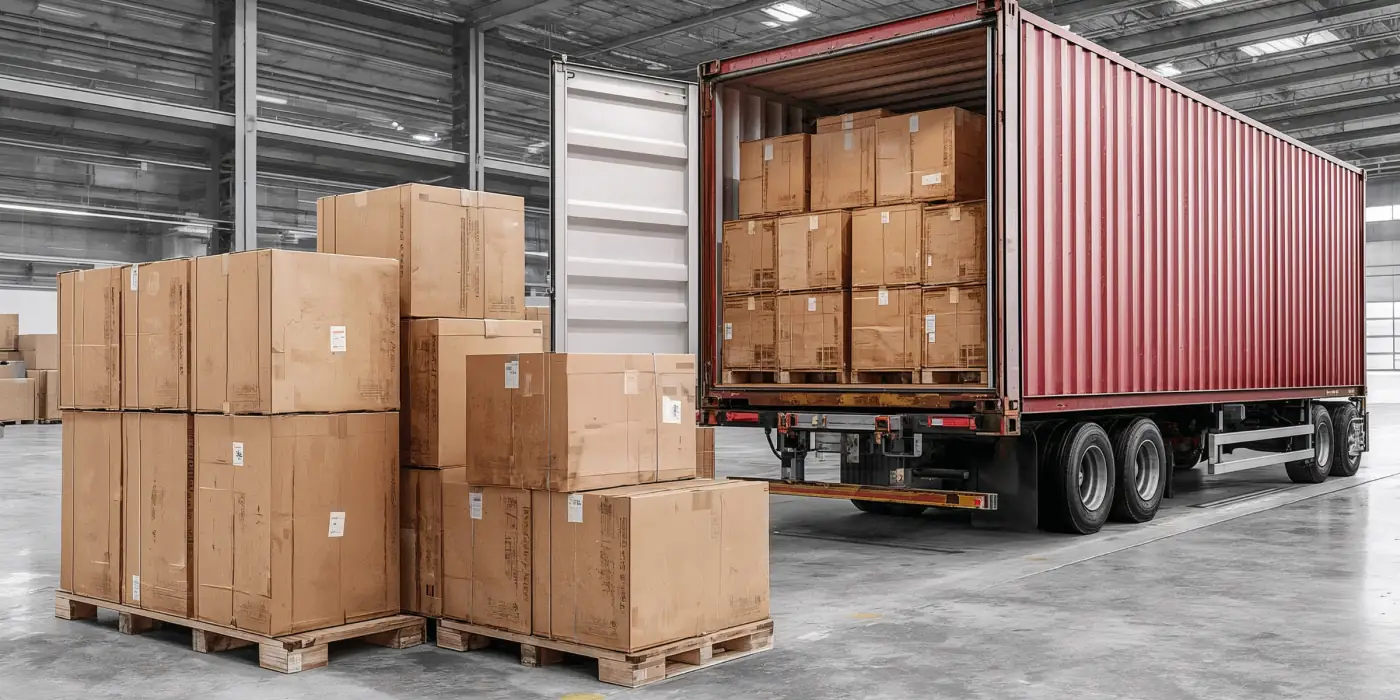
Freight is the cost buyers estimate last and feel first. The questions that determine it — carton sizes, weights, terms, destination requirements — all have answers weeks before goods are ready; they are just rarely asked that early.
Quick answer
Buyers should ask about carton dimensions, gross weight, CBM, Incoterms, destination address, Amazon or warehouse requirements, labeling, palletizing, customs documents, sea versus air options, and what is included in any DDP quote.
Why this matters for buyers
Late shipping planning forfeits every good option. Consolidation windows close, vessel space books out, and the “urgent” quote you accept in week eight costs what the planned quote would have cost in week two — plus the stress.

Shipping details to collect before goods are ready
Every question below can be answered while production is still running. That timing is the entire trick.
Ask early:
- Carton quantity, carton dimensions, gross weight, net weight, CBM, and pallet plan.
- Incoterm, named place, cargo-ready date, and whether goods are loose cartons or pallets.
- Destination address, warehouse receiving rules, Amazon FBA labels, 3PL appointment needs, or split delivery.
- Commercial invoice, packing list, bill of lading or airway bill, certificates, and product documents.
- Sea, air, courier, or truck options based on urgency, volume, budget, and inventory needs.
- What is included and excluded in supplier-arranged shipping or DDP-style quotes.
Where late shipping planning causes problems
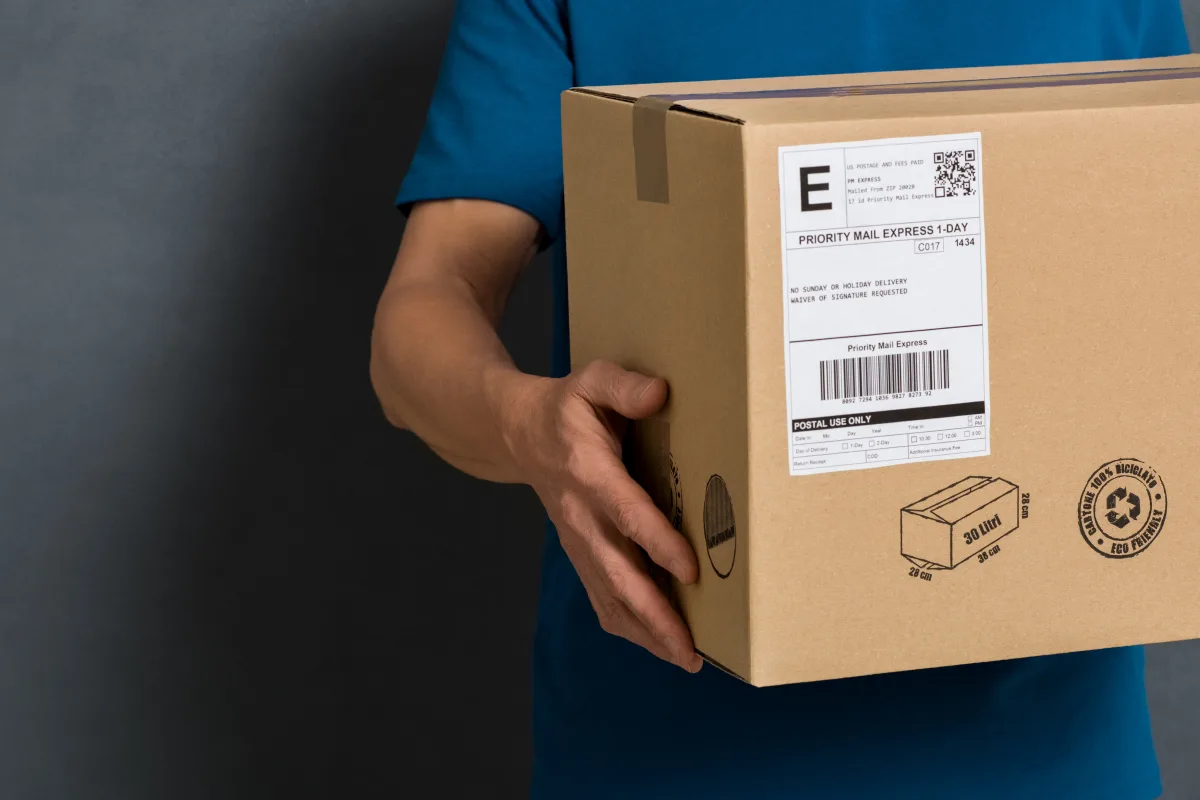
Final carton dimensions may be unavailable until packaging is confirmed. Amazon and 3PL deliveries often need labels, appointments, carton restrictions, or pallet rules.
Air freight may solve timing but damage margin if the buyer did not model it early. DDP quotes can hide duty, tax, importer, and document assumptions that the buyer should understand.
A practical shipping planning example
A buyer shipping private label goods to a 3PL should ask for carton data before production finishes. The forwarder needs dimensions and weights to quote, while the warehouse may need receiving labels, carton contents, and appointment details. Waiting until goods are packed compresses every decision.
Questions to ask suppliers or partners
- What are the estimated and final carton dimensions and weights?
- Which trade term is being used and what is excluded?
- Where exactly are goods being delivered?
- Does the warehouse, 3PL, or Amazon route require special labels or pallets?
- Which documents will be ready before shipment?
How Funda Sourcing supports this step
Funda Sourcing can help buyers collect carton data, destination requirements, supplier shipping assumptions, and document questions. That helps the forwarder quote earlier and makes shipment release less rushed.
Buyers should verify freight, customs, duties, and delivery requirements with their forwarder, customs broker, warehouse, or platform-specific guidance.
These are the same questions Funda works through in its logistics and delivery service.
For related shipping decisions, review Incoterms explained, FOB shipping from China, and DDP versus DAP.

Frequently Asked Questions
Funda take
Shipping should be planned while production is still moving, not after cartons are sealed. Early carton and destination details give buyers more room to choose the right route.
Freight rewards the organized. Ask the boring questions in week two, and week eight becomes a booking instead of a scramble.
Want the freight plan sorted before goods are ready?
Funda helps collect carton data during production, compare sea and air options, and coordinate delivery to warehouses, FBA, or 3PLs without week-eight surprises.

