
DDP and DAP both promise delivery to your door, which makes them popular with first-time importers. The difference — who acts as importer and who pays duties — is invisible until customs, which is exactly where surprise costs and stuck shipments happen.
Quick answer
DAP usually means the seller delivers goods to a named destination before unloading, while the buyer handles import clearance, duties, and taxes. DDP places more import-side responsibility on the seller, but buyers must confirm that the seller's DDP quote is realistic and compliant.
Why this matters for buyers
A DDP promise is only as good as the seller's ability to legally import into your country. Some “DDP” quotes rely on undervalued declarations or gray customs channels; the freight is cheap until a shipment is seized or reassessed, and then it is very expensive.

Destination details to confirm
Treat any door-delivery quote as a set of claims to verify rather than a service to assume.
Pin these down before relying on a DDP or DAP quote:
- Exact named destination, unloading responsibility, and delivery appointment requirements.
- Who acts as importer of record and who pays duties, taxes, broker fees, and exams.
- Whether delivery includes residential, warehouse, Amazon FBA, or 3PL requirements.
- Documents the buyer receives for customs, accounting, and inventory records.
- Whether the quote includes storage, demurrage, appointment delays, or failed delivery costs.
- Product-specific import, labeling, or compliance requirements.
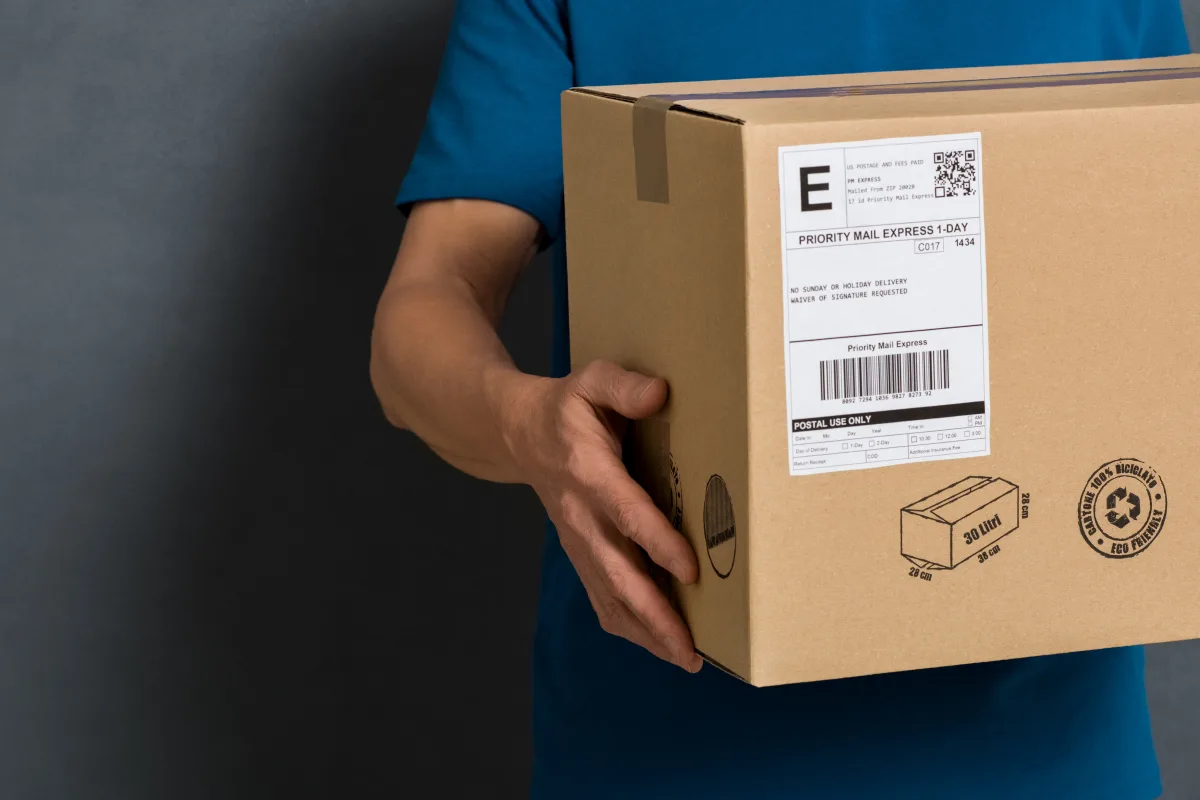
Why DDP can be misunderstood
Some suppliers use DDP loosely to mean a bundled shipping quote rather than a properly documented import plan. A buyer may not receive enough customs paperwork to support internal records or later questions.
Delivery to Amazon or a 3PL may need labels, appointments, pallet standards, or carton restrictions. A low DDP quote may hide weak duty assumptions or unclear importer responsibility.
A practical DDP versus DAP example
A small ecommerce buyer may prefer DDP because it feels predictable. If the supplier cannot explain the importer of record, duty basis, delivery appointment, or what documents the buyer will receive, the buyer does not yet have a clean shipping plan.
Questions to ask suppliers or partners
- Who is the importer of record under this quote?
- Are duties, taxes, broker fees, and final delivery included?
- What documents will I receive after import?
- Does delivery meet my warehouse, 3PL, or Amazon requirements?
- What costs are excluded if delivery is delayed or rejected?
How Funda Sourcing supports this step
Funda Sourcing can help buyers collect carton data, destination requirements, supplier shipping assumptions, and forwarder questions. For DDP or DAP decisions, the buyer should still confirm customs and tax treatment with the appropriate professionals.
DDP, duties, taxes, importer of record, and product compliance questions can have legal and accounting consequences. Buyers should verify them with a qualified customs broker, tax advisor, freight forwarder, or compliance professional.
Weighing a DDP quote right now? Contact Funda Sourcing with the quote and destination details for a second pair of eyes.
Destination-delivery decisions also connect to DPU versus DAP, shipping planning questions, and trade tariffs explained.
Frequently Asked Questions
Funda take
DDP can be convenient, and DAP can be cleaner when the buyer wants import control. The right choice depends on the product, destination, paperwork needs, and who is truly managing import responsibility.
DDP buys convenience; DAP keeps you in control at customs. Whichever you choose, make sure the importer of record, the duty math, and the delivery requirements are written into the quote — not assumed from the acronym.
Weighing a DDP or DAP quote?
Send the quote and destination details to Funda. We help check what is actually included, raise the importer-of-record questions, and coordinate delivery planning.

