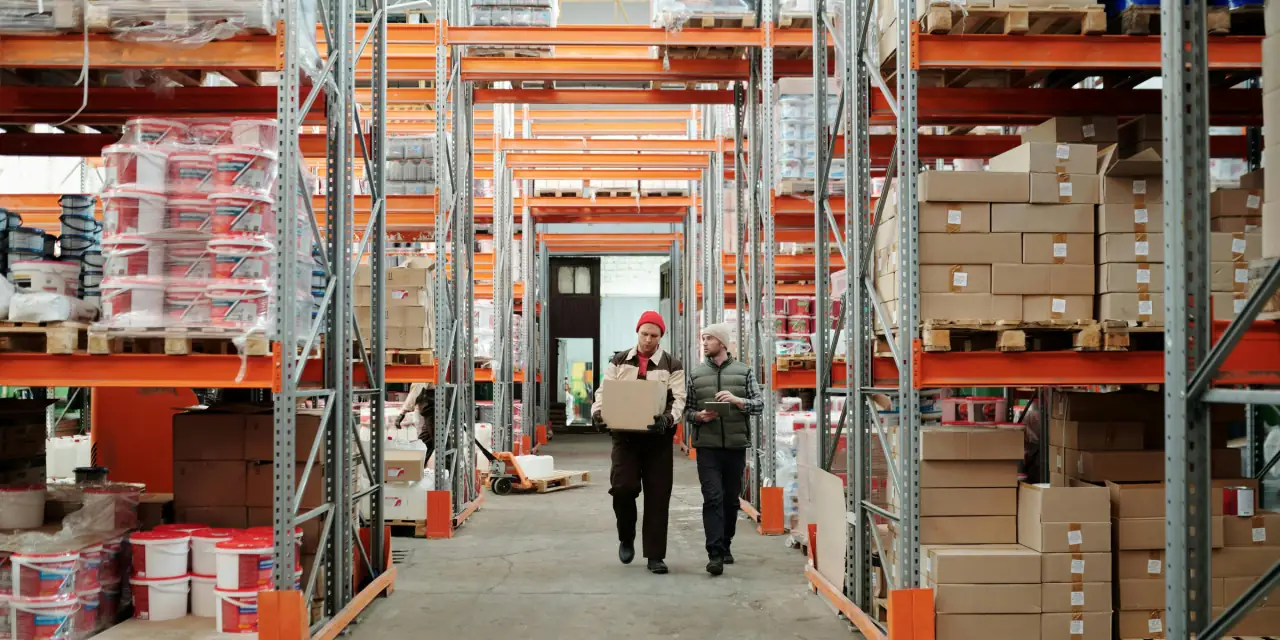
DPU and DAP differ by exactly one step — who unloads the truck — and that one step is easy to ignore until a container arrives at a warehouse with no dock, no forklift, and a driver watching the clock.
Quick answer
Under DAP, the seller delivers goods ready for unloading at the named destination. Under DPU, the seller is responsible for unloading at the named destination. Buyers should confirm the site, equipment, unloading process, and import responsibilities.
Why this matters for buyers
Unloading sounds trivial from a desk. At the delivery site it means equipment, labor, appointment windows, and liability if goods are damaged coming off the vehicle. Whichever term is chosen, someone has to own those details in advance.
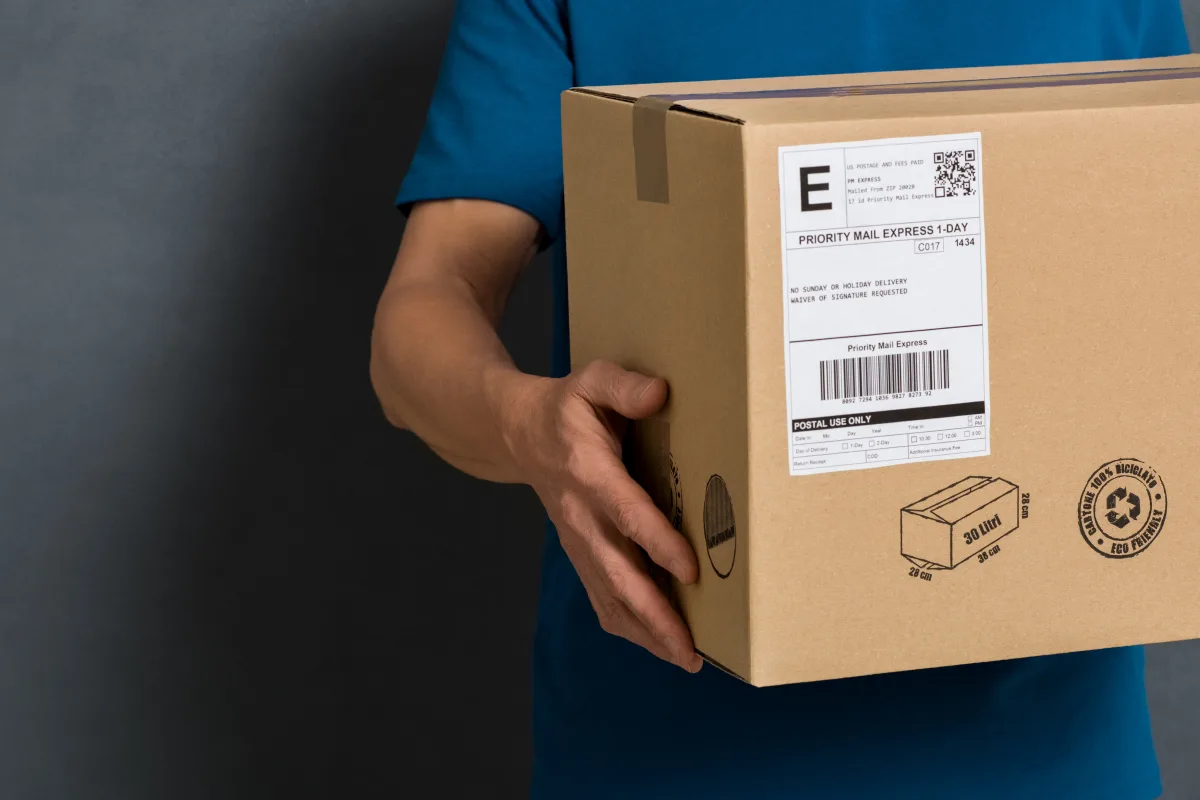
Delivery and unloading details to confirm
The term you pick should follow the physical reality of your delivery site, not the other way around.
Settle these delivery-site questions first:
- Exact named place, delivery address, and whether the site accepts the planned vehicle type.
- Who unloads, what equipment is needed, and whether pallets or floor-loaded cartons are expected.
- Import clearance, duties, taxes, destination fees, and final appointment requirements.
- Cargo packaging, pallet strength, carton labels, and whether goods can tolerate the unloading method.
- Who pays for waiting time, failed delivery, storage, or re-delivery.
- Whether the shipment goes to a port, terminal, warehouse, 3PL, or project site.

Where DPU and DAP create confusion
Buyers may focus on freight cost and forget that unloading requires equipment, labor, and site coordination. A supplier may quote a destination term without understanding the receiving site's rules.
DPU does not remove the need to clarify import clearance and duty responsibility. Failed delivery can create fees that were never included in the supplier's original quote.
A practical delivery-site example
A corporate buyer importing display fixtures to a warehouse may assume the delivery truck will unload. If the destination lacks a dock, forklift, or appointment window, the cost and responsibility can change quickly. DPU may fit if unloading is truly arranged; DAP may fit if the buyer controls the receiving side.
Questions to ask suppliers or partners
- What exact destination is named in the quote?
- Who unloads the goods and what equipment is required?
- Are duties, taxes, and import clearance included or separate?
- What happens if the receiving site cannot accept delivery?
- Are goods palletized, floor-loaded, or packed for special handling?
How Funda Sourcing supports this step
Funda Sourcing can help buyers collect carton data, pallet requirements, receiving instructions, and supplier delivery assumptions. That information gives the buyer and forwarder a better basis for deciding whether DPU or DAP is practical.
Destination delivery terms should be confirmed with the forwarder, broker, and receiving location before shipment is booked.
Funda's logistics and delivery coordination works through exactly these delivery-site questions.
For nearby destination terms, review DDP versus DAP, shipping planning questions, and Incoterms explained.

Frequently Asked Questions
Funda take
DPU versus DAP is not only a term difference. It is a receiving plan difference. Buyers should choose the term that matches the real unloading conditions at the destination.
Choose DPU when the seller genuinely can manage unloading at your site; choose DAP when your own team or warehouse handles it. The wrong choice is not fatal — the unexamined choice is what costs money.
Planning a delivery and unsure who unloads?
Funda helps buyers match trade terms to the physical delivery plan, coordinate carton and site details, and keep the handoff from becoming a surprise.

