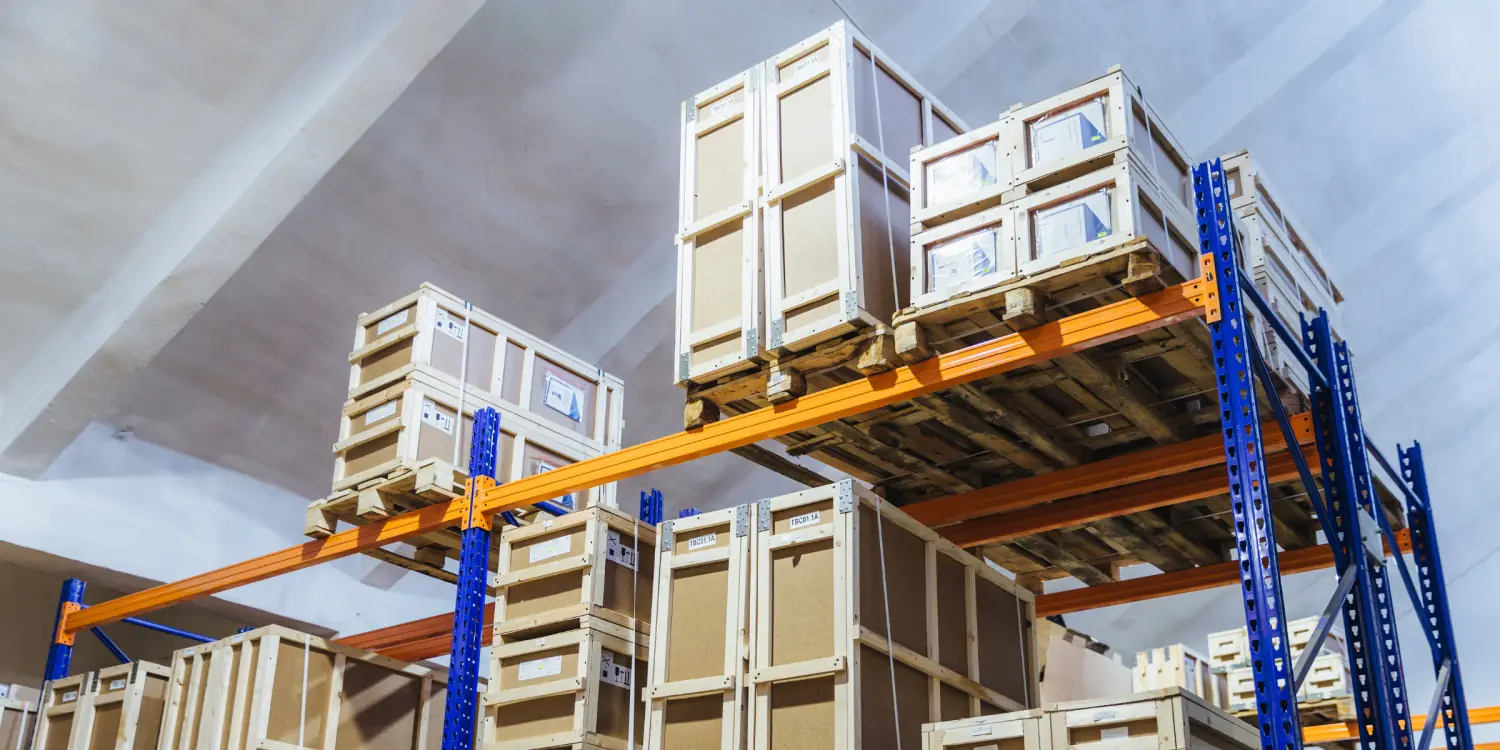
FOB survives on habit: it is what suppliers quote and what buyers recognize. But FOB was written for goods crossing a ship's rail, and containers handed over at inland terminals fit FCA better — a mismatch that creates a risk gap most buyers never notice.
Quick answer
FOB is traditionally used for goods loaded on board a vessel at a named port. FCA can be more flexible because goods are delivered to a carrier or named place. Buyers should match the term to the real cargo handoff and forwarder plan.
Why this matters for buyers
Under FOB, risk technically transfers when goods are on board the vessel — yet a container usually leaves the seller's hands days earlier at the terminal. If it is damaged in that window, the paperwork and the physical reality disagree about whose problem it is.

Handoff details that decide the term
The right term follows from how your shipment physically moves, so start with the handoff, not the habit.
Establish these handoff facts:
- Cargo type, container status, and whether goods move by ocean, air, rail, truck, or mixed modes.
- Exact handoff place, such as factory, forwarder warehouse, port terminal, or vessel loading point.
- Who handles export clearance, port delivery, loading, and carrier instructions.
- Forwarder preference and whether they can manage the handoff under the chosen term.
- Carton data, cargo-ready timing, booking cutoff, and document deadlines.
- Total landed cost under both terms, not only supplier unit price.

Why the wrong term creates friction
FOB is sometimes used casually for shipments where the actual handoff is not vessel-side. FCA can be clearer for certain container or multimodal movements when the forwarder controls the carrier handoff.
A supplier may quote one term by habit without considering the buyer's forwarder process. The wrong term can create document, cutoff, or responsibility confusion near cargo-ready date.
A practical container shipment comparison
A buyer shipping a full container may ask for FOB Ningbo out of habit. If the buyer's forwarder prefers to receive cargo at a container freight station or manage handoff earlier, FCA may be more accurate. The best answer comes from matching the quote to the forwarder's operating plan.
Questions to ask suppliers or partners
- Where will the cargo physically transfer to the carrier or forwarder?
- Does my forwarder prefer FCA or FOB for this shipment?
- Who handles export clearance and port delivery?
- What documents are required under each option?
- Which term gives the clearest landed-cost comparison?
How Funda Sourcing supports this step
Funda Sourcing can help buyers collect supplier quote terms, carton details, forwarder preferences, and handoff assumptions. Those details let buyers compare FCA and FOB with less guesswork.
Buyers should confirm Incoterm use and shipment handoff with a freight forwarder or customs broker for the actual route and cargo type.
See where trade-term decisions sit in the overall flow in how the sourcing process works.
Related term guides include FCA meaning, FOB shipping from China, and Incoterms explained.
Frequently Asked Questions
Funda take
FCA versus FOB is not a vocabulary quiz. It is a handoff decision. Choose the term that describes how the cargo will really move.
For containerized freight, FCA usually describes reality better than FOB. Suppliers will still default to FOB — accepting that is fine, but do it knowingly, with insurance covering the terminal gap.
Not sure whether to quote FCA or FOB?
Send Funda your shipment details. We help match the term to the real handoff, close the insurance gap, and keep supplier conversations simple.

