The hardest private-label decision comes first, before any supplier contact: choosing a product you can actually differentiate, produce reliably, and reorder profitably. Most failed launches were lost at selection, not at production.
Quick answer
Private label buyers should evaluate product fit, customer demand, MOQ, customization level, packaging needs, margin, supplier capability, quality risks, and operational complexity before choosing what to source.
Why this matters for buyers
A product that looks appealing on a bestseller list may hide brutal economics — crowded listings, thin margins after freight, or quality risks that reviews punish instantly. Fit between the product and your channel matters more than the product's general popularity.
How to judge product fit
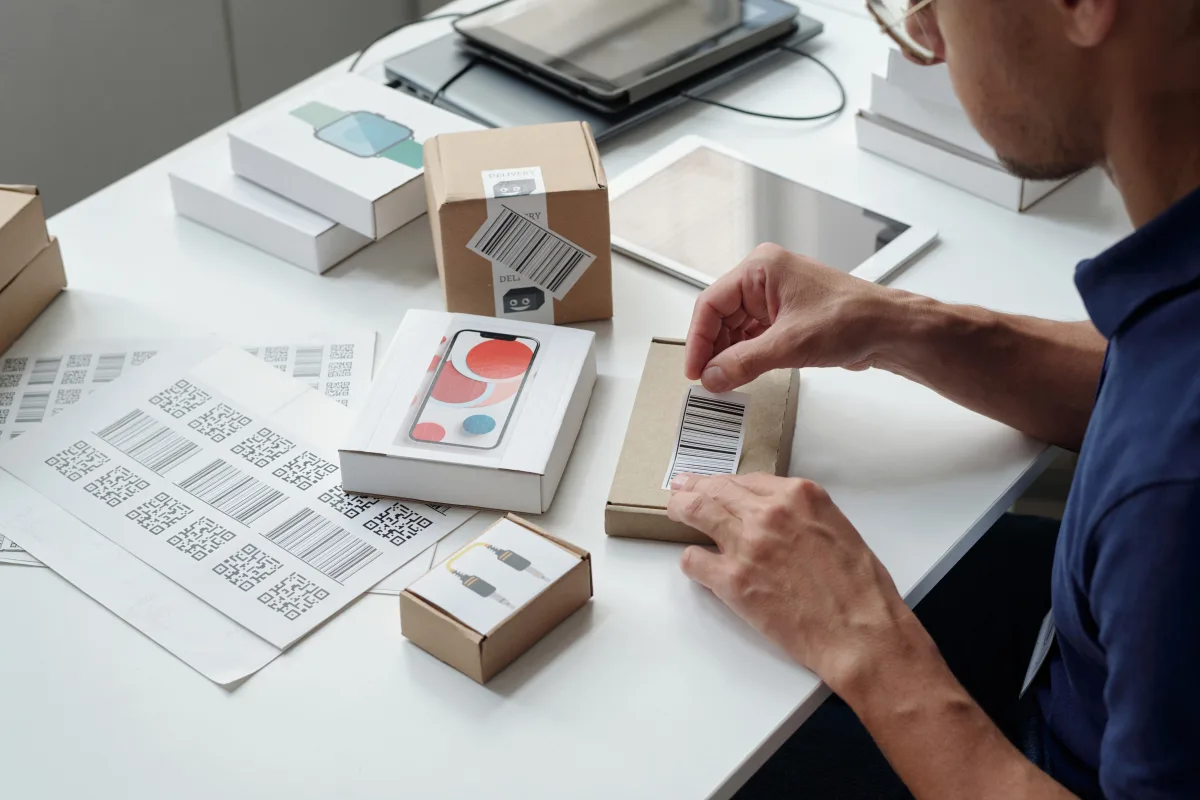
Judge candidate products against your brand and channel, not against what is trending.
Weigh these when deciding what to source:
- Clear customer use case and enough repeat or seasonal demand to justify inventory.
- Reasonable MOQ for the buyer's budget and sales channel.
- Customization level, such as color, logo, material, feature change, or packaging only.
- Supplier experience, sample quality, consistency risk, and inspection points.
- Packaging size, carton volume, freight cost, and warehouse receiving requirements.
- Margin after product cost, packaging, shipping, duties, prep, returns, and marketing.
What makes a private label product hard to manage
A product with good margin on paper may become weak after packaging and freight are included. Heavy customization can increase MOQ, tooling cost, and sample rounds.
Products with many sizes, colors, or components can become operationally difficult for a first order. Simple products still need clear quality standards and packaging approval.
A practical product selection example
A buyer choosing between a simple silicone accessory and a multi-component kitchen kit may prefer the kit because it looks more unique. The kit may also need more suppliers, more sample checks, more packaging work, and a more complex inspection. The simpler item may be a better first private label project.
A useful discipline at the selection stage is writing down what would make you walk away: the landed cost above which margin disappears, the MOQ above which the first order is too risky, the compliance requirement you are not ready to carry. Products that survive explicit dealbreakers are much more likely to survive the market.
Questions to ask suppliers or partners
- Can this product be sourced at my starting quantity without forcing weak compromises?
- What customization is truly needed for the first order?
- Can the supplier make and package the product consistently?
- What inspection points would protect the buyer before shipment?
- Does the landed cost still support the sales channel?
How Funda Sourcing supports this step
Funda Sourcing can help buyers review private label product ideas, supplier options, packaging needs, sample steps, landed-cost assumptions, and production risks before the project becomes expensive.
For a starting point on what sells well as private label, browse the product categories Funda sources.
Useful next reads include finding private label suppliers in Asia, private label packaging details, and private label versus custom product.
Frequently Asked Questions
Funda take
A good private label product is not just sourceable. It is understandable, inspectable, shippable, and repeatable at the buyer's real starting scale.
Pick a product your brand can defend and your supplier can repeat. Everything downstream — packaging, QC, reorders — gets easier when the selection was right.
Starting your first private label product?
Send Funda the product idea, even a rough one. We help judge supplier options, samples, packaging, and landed cost before you commit real money.

