
Private-label sourcing looks like shopping — pick a product, add a logo, order. Suppliers know better: the projects that go smoothly are the ones where the buyer verified customization ability, not just catalog photos, before committing.
Quick answer
A private label supplier should be evaluated for product specialization, customization options, MOQ, packaging capability, sample quality, communication, documentation, production consistency, and shipping readiness.
Why this matters for buyers
Plenty of factories can make the base product; far fewer can hold your Pantone color, print your packaging correctly, and repeat both on the second order. The supplier search is really a search for that smaller group.
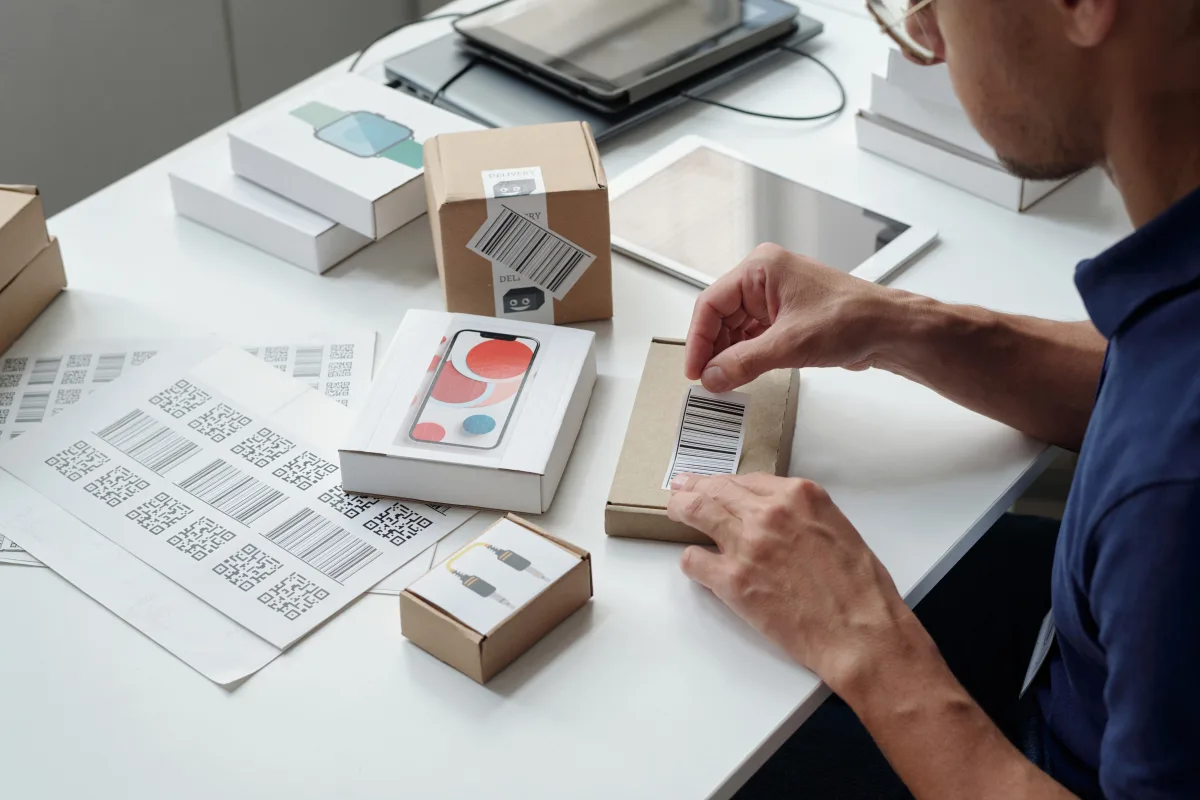
Private label supplier capabilities to check
Judge candidates on demonstrated private-label capability rather than product availability.
Check these capabilities before shortlisting:
- Supplier experience with the product category and similar export markets.
- Customization options for color, material, finish, logo, labels, inserts, and retail packaging.
- MOQ for the product, packaging, logo method, and reorder quantity.
- Sample process, revision timing, sample cost, and whether packaging can be sampled too.
- Artwork handling, dielines, barcode placement, carton marks, and packaging material choices.
- Inspection cooperation, carton data, shipping documents, and production follow-up.
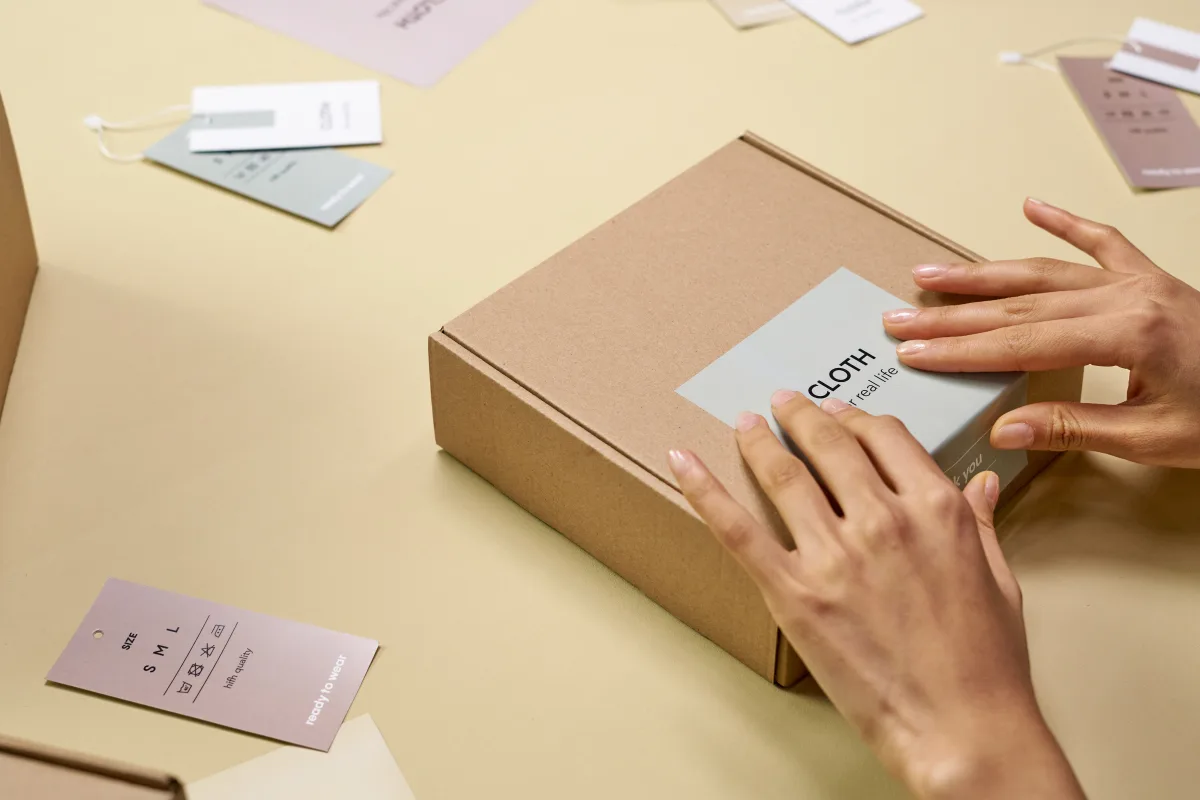
What makes private label projects harder than they look
A supplier can make the base item but lack experience with retail packaging or brand presentation. Custom packaging may have a different MOQ and lead time than the product itself.
Logo methods can change appearance, cost, durability, and sample requirements. Buyers sometimes approve the item and forget to approve the full branded version.
A practical private label supplier search
A skincare accessories brand may find several suppliers with similar brushes or applicators. The better shortlist asks which supplier can handle the material grade, logo method, insert card, retail box, carton labeling, and inspection points at the buyer's starting quantity.
Questions to ask suppliers or partners
- Have you produced private label versions of this product before?
- What customization options affect MOQ or lead time?
- Can you sample the final packaging with the product?
- What artwork files and dielines do you need?
- How do you control consistency between repeat orders?
Ask each candidate to show a private-label project they completed for another brand — the packaging, the customization, the reorder. Evidence beats promises.
How Funda Sourcing supports this step
Funda Sourcing can help buyers organize private label supplier search, quote comparison, packaging requirements, sample follow-up, and production handoff. That support is practical when the product and packaging need to move together.
For ideas on what to build under your own brand, browse the product categories Funda sources.
For private label planning, review private label sourcing basics, how to compare suppliers beyond Alibaba, and private label packaging details.

Frequently Asked Questions
Funda take
The right private label supplier is not simply the supplier with the nearest catalog item. It is the supplier that can produce the branded version clearly, repeatedly, and with enough documentation for quality checks.
The best private-label suppliers are rarely the cheapest or the fastest to reply. They are the ones who ask about your artwork files before quoting — find those, and the rest of the project gets easier.
Looking for a private label supplier you can trust?
Send Funda your product idea and branding plans. We help find factories with real private-label experience and manage samples, packaging, and production follow-up.

