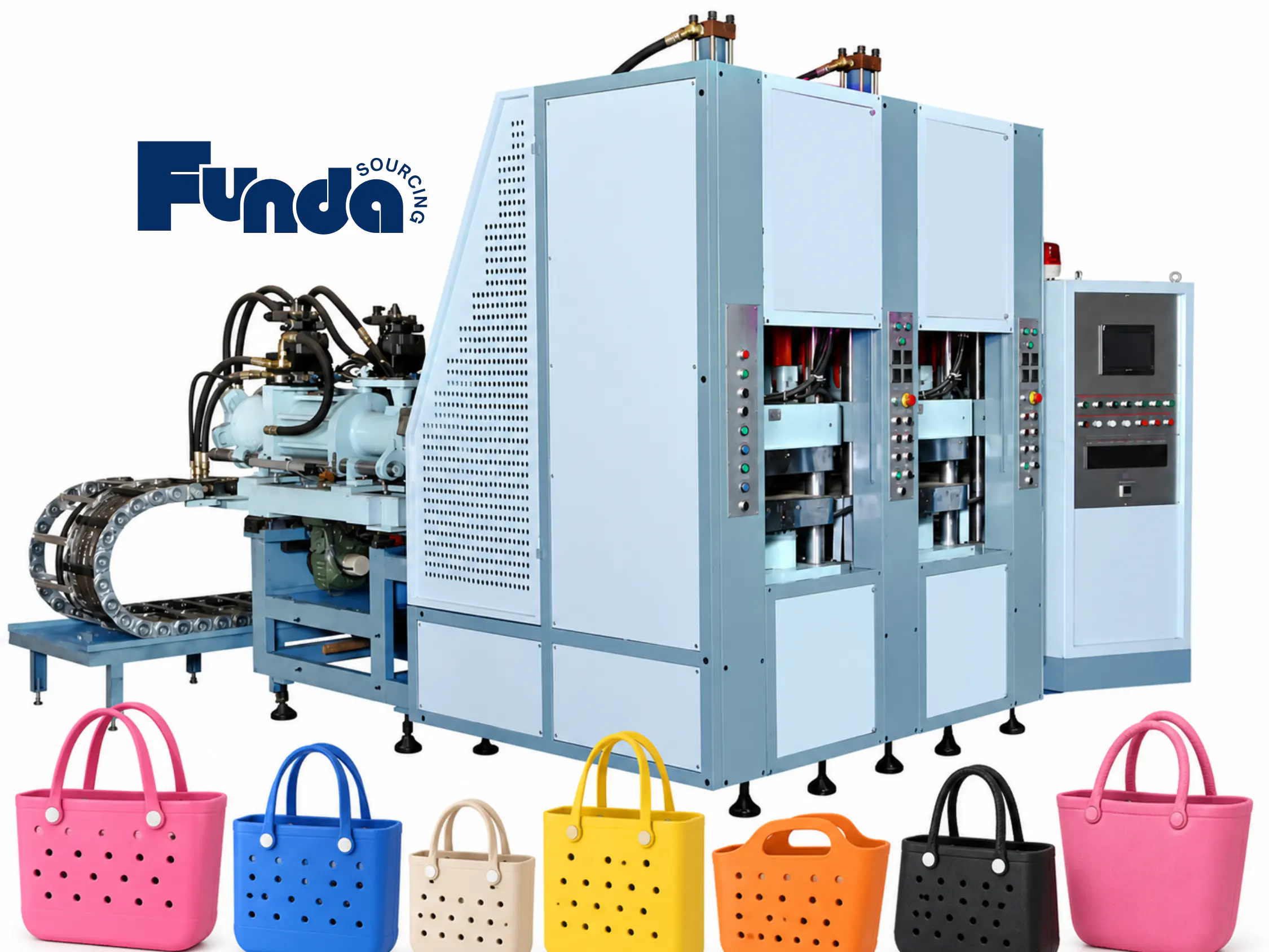
Because having a supplier is not the same as having options.
For an established EVA bag brand, the pressure can build gradually: another price increase, another rejected request for a smaller order, another design revision waiting for an answer. The factory still makes your product, but the relationship is becoming harder to build a business around.
Some brands are prepared to commit more than $30,000 to developing a second manufacturing source through Funda Sourcing. Their priorities are clear: match the products they already sell and develop new designs for the next stage of the business.
Before deciding whether to pay for tooling again, ask: What is it costing us to have no other way to make our product?
Nine reasons EVA bag brands look for a second supplier
For injection-molded EVA tote bags and beach bags, an existing factory relationship can remain useful while becoming too restrictive. These are the problems that make another source worth evaluating.
1. Prices keep rising, but you have no independent benchmark
Another quotation arrives with another increase. The explanation may be reasonable, but your only comparison is what the same factory charged last year.
A second EVA bag manufacturer gives you a current quotation against the same requirements. Compare material specifications, finished weight, handles, surface finish, packaging, quantities, and delivery terms. A cheaper quote for a different bag tells you little about the competitiveness of your current price.
2. The factory will not lower its MOQ
Your best-selling color supports a large order. A seasonal shade, a new retailer, or a limited collection may not.
When every color carries a high minimum order quantity, you must buy more inventory or postpone the launch. Compare minimums by size, style, and color, including first-order and repeat-order requirements. Smaller runs may cost more per bag; their value depends on whether the overall order structure fits how your brand sells.
3. You paid for the molds, but the supplier controls access
The tooling invoice is in your records. The molds are in the factory. The production files may be there, too.
Before planning a transfer, establish the arrangements for ownership, access, release, and use of the files. Ask the receiving factory to assess tooling condition and compatibility. Where access or suitability cannot be resolved, new tooling may create an independent manufacturing route.
4. Engineering changes move too slowly
A handle adjustment, revised base, different rim profile, or logo change disappears into weeks of follow-up. Meanwhile, your launch schedule keeps moving.
Ask a prospective factory to respond to an actual revision with feasibility feedback, drawing changes, cost implications, and a sample schedule. That response helps you judge whether the supplier can support development after winning the order.
5. Lead times no longer fit your sales calendar
A delivery schedule that misses your selling window becomes a commercial problem even when the product itself is good.
Separate manufacturing time from the wait for a production slot. Compare tooling, sampling, first-order, and repeat-order schedules, and confirm available capacity. A shorter lead time on a quotation is only useful when the factory can explain how it will deliver it.
6. Quality changes between orders
One batch feels right. The next feels softer. A familiar color looks different. Handles or surface details no longer match the approved sample.
Investigate those differences and use what you learn to define requirements for the second factory. Compare multiple units from a trial run against the reference product and written criteria. Sample approval needs to lead into repeatable production quality.
7. Managing the old supplier takes too much time
Your team chases updates, repeats corrections, and revisits unresolved issues with every reorder. That work takes attention away from customers and new products.
A second supplier adds coordination at first, so evaluate communication during qualification. Look for clear revision records, written decisions, realistic updates, and follow-through. Those habits affect the daily cost of managing production.
8. You want to compare the market again
A healthy supplier relationship still deserves an occasional benchmark. Your volumes, product range, and packaging requirements may have changed since the original negotiation.
Fresh quotations can show where your current factory remains competitive and where another manufacturer fits better. Include development, tooling, sourcing support, inspection, and delivery assumptions. Our guide to reviewing factory quotes explains how to compare those costs consistently.
9. You want a backup before you need one
A usable alternative needs suitable tooling, approved samples, agreed specifications, commercial terms, and a credible production plan.
Check where manufacturing actually happens. Two sales contacts may lead to the same molding subcontractor, leaving you exposed to the same production interruption. A multiple-supplier strategy works when the additional capacity is real and qualified for your product.
What a $30,000+ second-source project can buy
The value of the project comes from turning another factory into a production option your business can use.
Depending on the product, the work may include factory identification and capability checks, engineering and drawings, material assessment, tooling, sample revisions, testing, and pilot production. Specialist work such as material characterization, scanning, or compound development should be separately scoped where needed, with the responsible factory or technical provider identified.
The $30,000+ figure describes a potential development commitment. It is not a universal EVA bag mold price or a fixed Funda service fee. An itemized proposal should distinguish setup work, tooling, testing, pilot units, and service fees, including what is excluded.
Your first tooling investment helped you launch the product. Evaluate the next investment against the additional manufacturing capability it would create.
Matching your EVA bag takes more than copying its shape
Customers recognize the finished bag through its shape, weight, feel, color, and performance. A convincing photograph cannot establish that all those characteristics match.
EVA compound supplier Victory General Technology describes selecting expansion, color, and hardness around the finished product, machine, and process. For a brand developing another source, the practical implication is that tooling and material decisions need to be assessed together.
Begin with approved reference samples, available technical files, and design information your brand owns or is authorized to use. Ask the candidate factory to explain its proposed material and molding approach, including what it must validate before finalizing tooling.
The matching target then becomes a written acceptance standard: what must match, how it will be checked, and which tolerances are acceptable. Keep records of sample differences and approvals so that each revision moves toward a defined result.
Two development tracks: protect the current range and build the next one
Track one: reproduce your existing product standard
For established bags, continuity is the priority. The second supplier needs to demonstrate that it can meet the requirements behind your existing customer experience.
Organize the matching brief around:
- Shape and dimensions: proportions, opening, base, wall thickness, and agreed tolerances.
- Material characteristics: weight, density or hardness where specified, firmness, flexibility, and feel.
- Appearance: color, texture, gloss, logo detail, and acceptable surface marks.
- Function: handle attachment, accessory fit, base stability, and agreed load-performance checks.
- Packaging: protection, packing method, and acceptable condition after unpacking.
Agree on test methods and acceptance criteria, then assess samples and a pilot run against that standard. Any remaining differences need an explicit decision before commercial production.
Track two: develop new EVA bags and accessories
The second factory can also be evaluated for products your current supplier has been slow to develop: a smaller tote, revised handles, another size, a new texture, or accessories for your existing range.
Give each concept its own feasibility review, tooling assessment, budget, and sample approvals. Keeping the briefs separate prevents an improvement intended for a new collection from quietly changing a best seller.
A factory approved for a new accessory still needs to qualify for any existing bag it is expected to supply. Each development track should produce a clearly defined manufacturing capability.
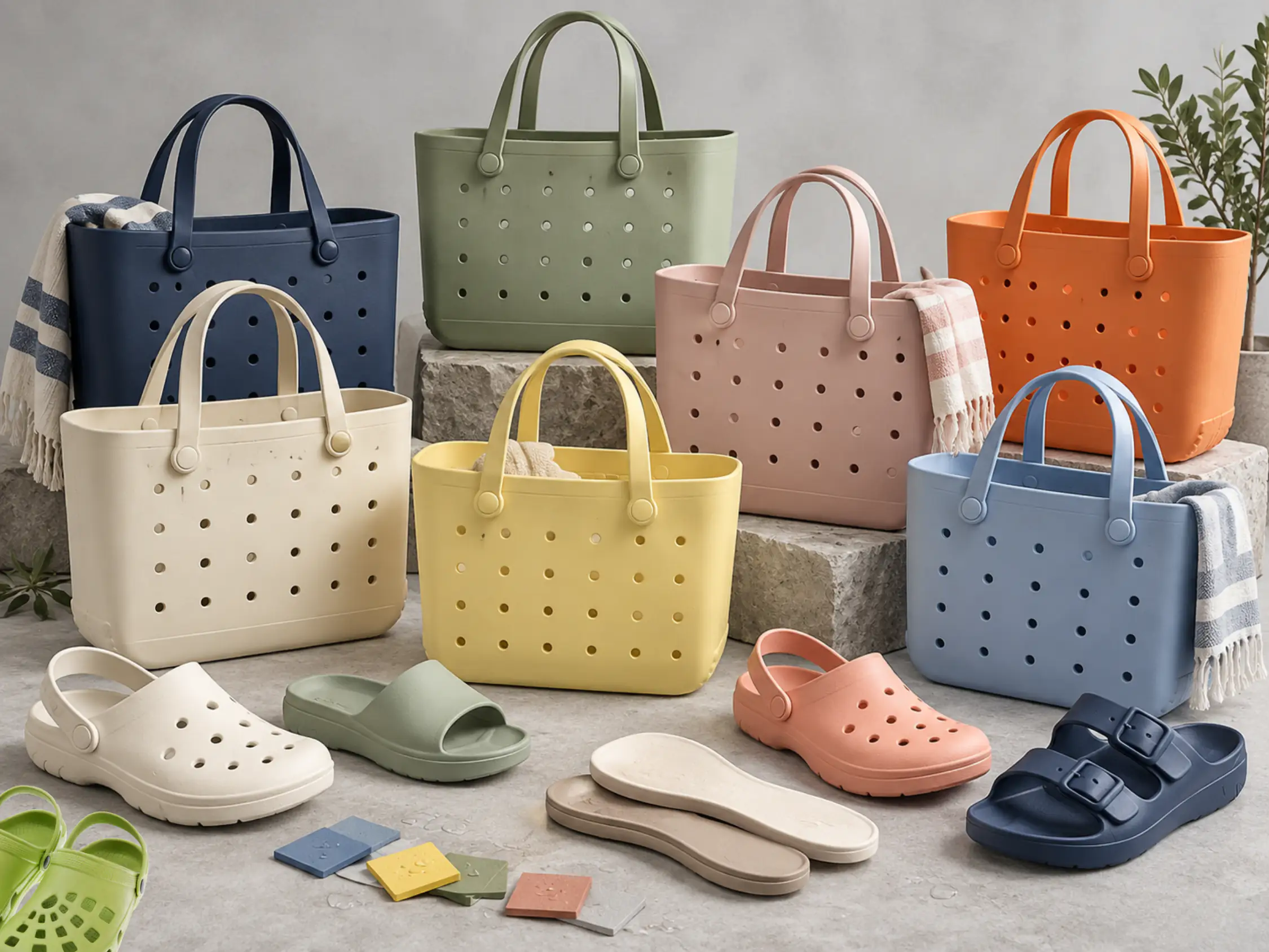
How Funda Sourcing supports a second EVA bag supplier project
The difficult part is moving from an interested factory to approved production. Funda can coordinate supplier communication, quote comparison, sample development, and production follow-up around that objective.
A practical program has five stages:
1. Define the product and business priorities. Organize reference samples, available specifications, recurring quality issues, target quantities, and new-design requirements. Identify where additional engineering or material assessment is needed.
2. Find and evaluate relevant factories. Compare experience with similar injection-molded EVA products, equipment suitability, engineering support, capacity, and subcontracting. Agree on the scope of factory visits or other capability checks.
3. Confirm the technical and commercial approach. Clarify material and tooling proposals, development work, quantity tiers, sample costs, and approval milestones before authorizing the relevant expenditure.
4. Coordinate tooling, samples, and revisions. Maintain a written record of sample versions, requested changes, factory responses, and outstanding decisions. Compare results against the approved reference or new-product brief.
5. Run a pilot and review readiness. Coordinate agreed inspection and testing, assess the initial production output, and resolve deviations before assigning larger orders.
This connects Funda's product development support with quality control coordination. The brand approves requirements and commercial commitments; the selected factory demonstrates its ability to produce to the agreed standard.
Set the timeline after reviewing product scope, tooling needs, sample iterations, and testing. Separate development and qualification milestones from the delivery date for a commercial order.
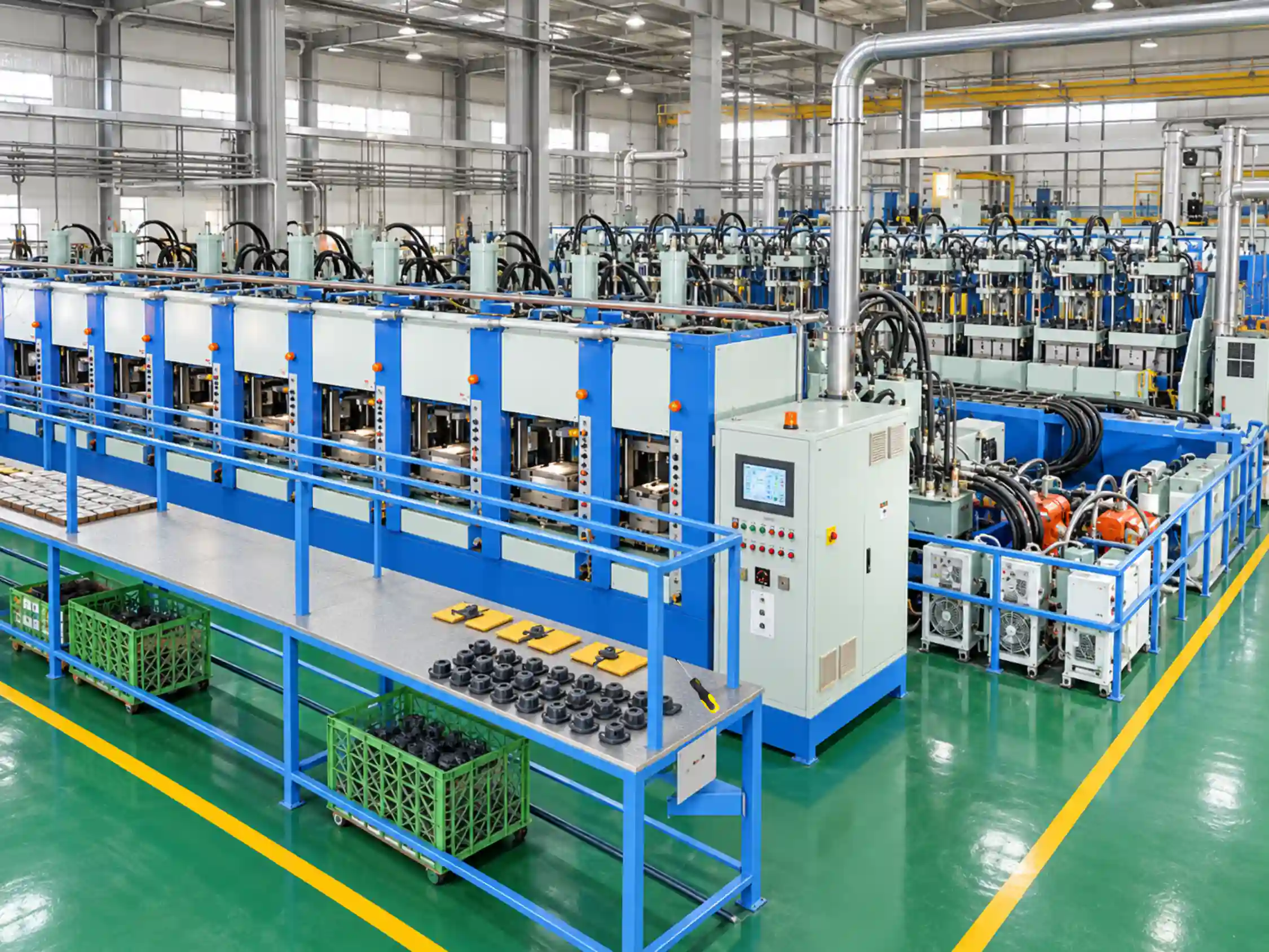
Address design protection and mold ownership at the start
A second tooling investment should give your brand clearer access to its manufacturing options.
Before sharing sensitive files or authorizing tooling, agree on confidentiality and permitted use, including any non-disclosure, non-use, and non-circumvention arrangements appropriate to the project. Define how information will be released as candidates progress through evaluation.
Document the intended tooling ownership, storage location, maintenance responsibilities, access to relevant drawings, transfer arrangements, and release conditions. Put these points into the agreed project documents before mold production begins.
Keep copies of approved specifications, revisions, and inspection requirements within your own business so the manufacturing knowledge remains accessible.
Does the investment make financial sense?
Start with the units the second factory will actually produce.
For illustration, assume $32,000 in one-time setup costs and $1.60 net savings per bag, after recurring sourcing, quality-control, and logistics costs. Simple recovery through unit savings would require:
$32,000 ÷ $1.60 = 20,000 bags produced by the second supplier.
These are hypothetical figures, not a customer result or quotation. This simple calculation excludes financing costs and the time value of money.
A smaller allocation means slower recovery. If unit costs are similar, evaluate the other benefits separately: a usable backup, more suitable order quantities, or additional products. Avoid treating possible future stockouts or unproven new-product sales as guaranteed savings.
The decision needs a clear answer to two questions: what will this investment change, and what evidence will show that it worked?
Keep current production moving while qualifying the next supplier
Start with one priority bag. Continue replenishment through the current factory while you evaluate candidates, develop tooling where required, approve samples, and assess a manageable pilot run.
Review product consistency, packaging, communication, actual lead time, and total cost before increasing the allocation. Once qualified, the second factory can take a defined role: selected replenishment orders, particular colors or products, or new development.
Keep specifications current and reconfirm capacity before relying on emergency output. Two factories in the same region may still share material or transport constraints. The strength of your backup depends on its readiness for the products and quantities you need.
Frequently Asked Questions
Start with a clear benchmark for your EVA bag
You can explore another manufacturing source while continuing to work with your existing supplier.
Share your current bag photos, available specifications, typical quantities by style and color, target market, and the supplier problems you want to solve. Include any new designs. Current pricing and a production sample can help make the comparison more specific as the project develops.
Funda can help assess feasibility and propose the scope, cost, and next steps for developing a second EVA bag supplier. You can then decide whether the value lies in matching an existing product, developing a new collection, or doing both.
Already have an EVA bag supplier, but need a stronger second option?
Share your existing bag, order quantities, and supplier challenges. Funda can help assess feasibility and propose the scope, cost, and next steps for developing a second manufacturing source.

