FUNDA SOURCING BLOG
China and Asia Sourcing Guides for Brands and Business Buyers - Page 4
Practical articles on China and Asia supplier search, quote comparison, samples, packaging, production follow-up, QC planning, and shipping from overseas suppliers.

Featured Sourcing Guides
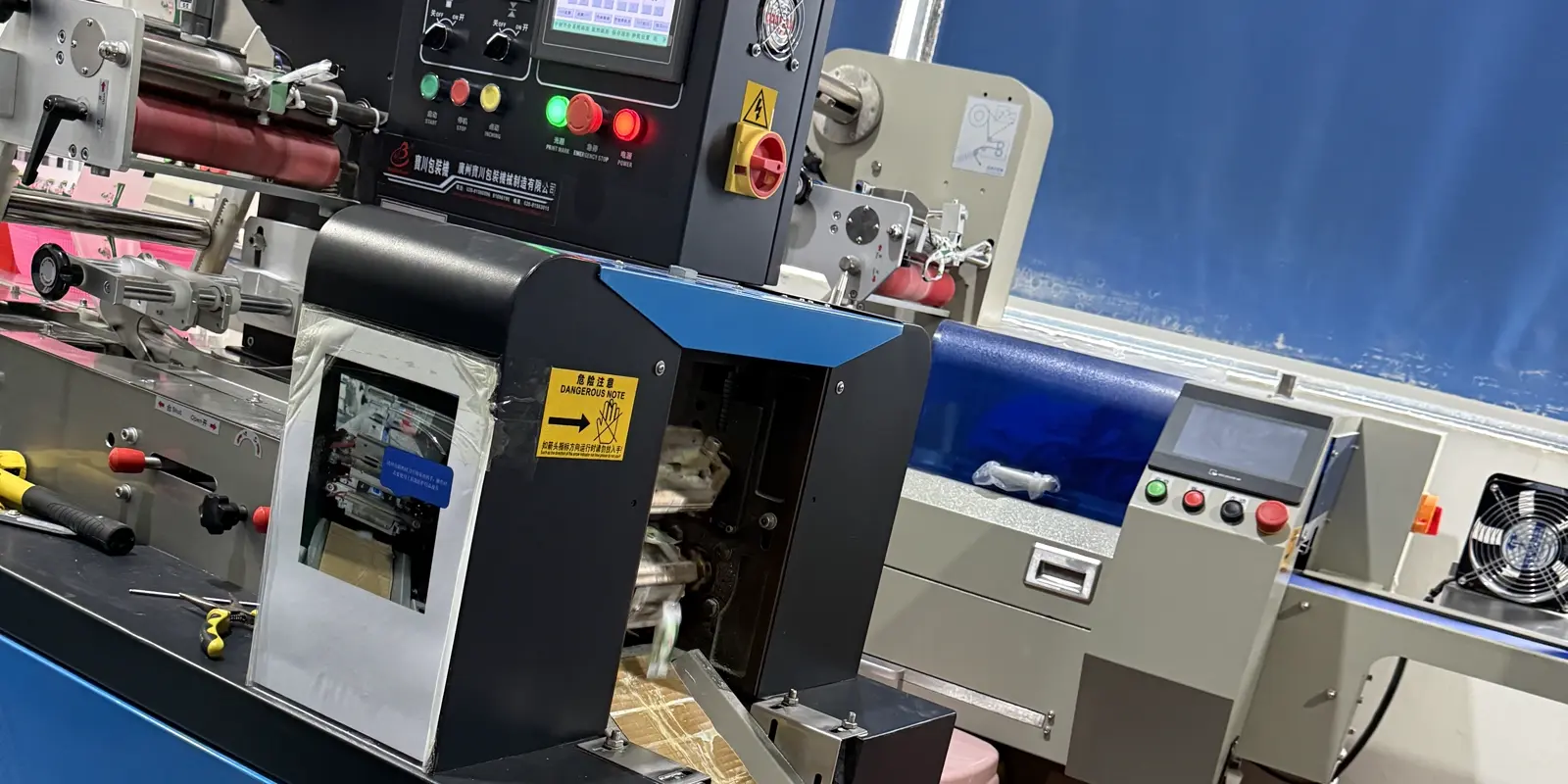
How to Compare Suppliers Beyond Alibaba
Alibaba can help buyers find suppliers quickly, but real supplier comparison means checking specifications, quote assumptions, samples, documentation, packaging, communication, and total delivered cost.
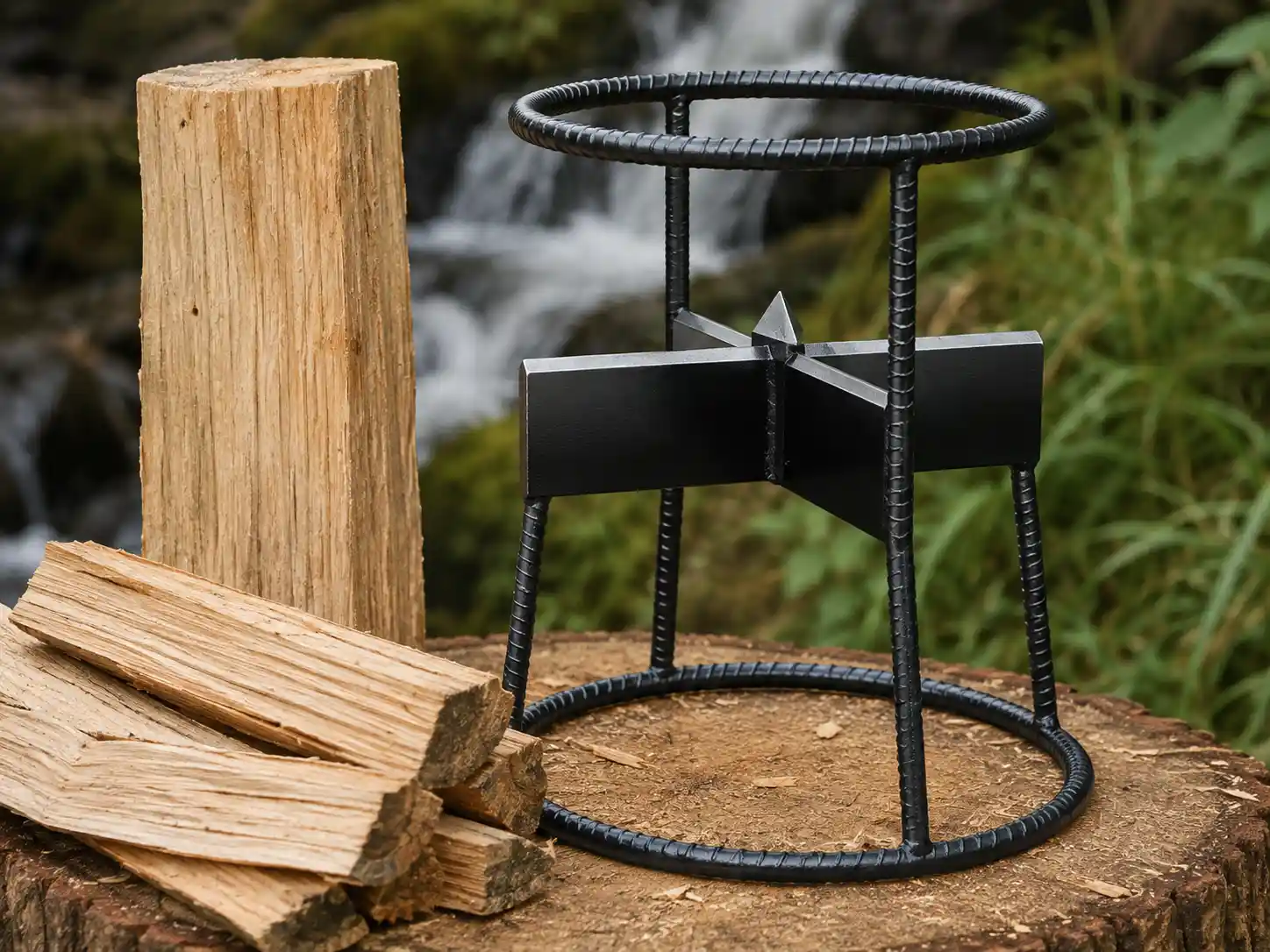
Why Patent Checks Should Happen Before Tooling: A Gravity Log Splitter Case Study
After months of developing a gravity-assisted firewood splitter for a Middle Eastern client, we found a potential patent conflict before tooling. Here is why patent checks belong in product development from the beginning.
Why Growing Companies Should Use Multiple Suppliers
As a company grows, giving every order to one factory can create capacity, pricing, lead-time, and continuity risks. A practical multi-supplier strategy keeps the main supplier strong while developing qualified alternatives.

From Bamboo Toilet Paper to Refill Home Care: An Eco Brand Sourcing Case Study
A relationship that began with smaller projects grew into long-term support for nearly 80% of a U.S. eco brand's imported product range. This case study explains how product development, supplier coordination, and shipment planning grew together.
Start Here: China and Asia Sourcing Basics
New to sourcing from China or broader Asia? These beginner-friendly guides will help you understand supplier selection, quotes, samples, packaging, production follow-up, and shipping planning before placing your first order.
Need Help With a Product Idea?
Send us your product link, photo, sketch, or rough idea. Funda can help turn it into a clearer sourcing brief and suggest practical next steps.
Explore Sourcing Topics
Latest Articles
Showing 37-48 of 49 Funda sourcing guides. Practical sourcing guides for buyers working with suppliers in Asia.



How to Find and Work With Private Label Suppliers in Asia
Finding private label suppliers in Asia means checking product fit, customization ability, packaging support, MOQ, sample process, and production reliability.
What to Prepare Before Asking a Factory for a Quote
Use a practical factory RFQ template to give suppliers the same product, quantity, packaging, shipping, compliance, and sample assumptions so quotes are easier to compare.

Private Label vs. Custom Product: Which Path Fits Your Brand?
Private label and custom product sourcing require different levels of development, cost, MOQ, sampling, supplier capability, and production control.

Incoterms Explained: Trade Terms Buyers Should Understand
Incoterms help buyers and suppliers define shipping responsibilities, but they do not replace landed-cost planning, customs review, insurance decisions, or product compliance checks.

How to Review Factory Quotes Without Looking Only at Price
Factory quotes should be reviewed for assumptions, materials, packaging, MOQ, samples, lead time, trade terms, payment terms, and landed-cost impact.

Sourcing From China, Vietnam, and Thailand: How to Think About Region Fit
Choose between China, Vietnam, and Thailand by product fit, component depth, origin rules, duties, MOQ, sampling, QC, and landed cost — not by country headlines.
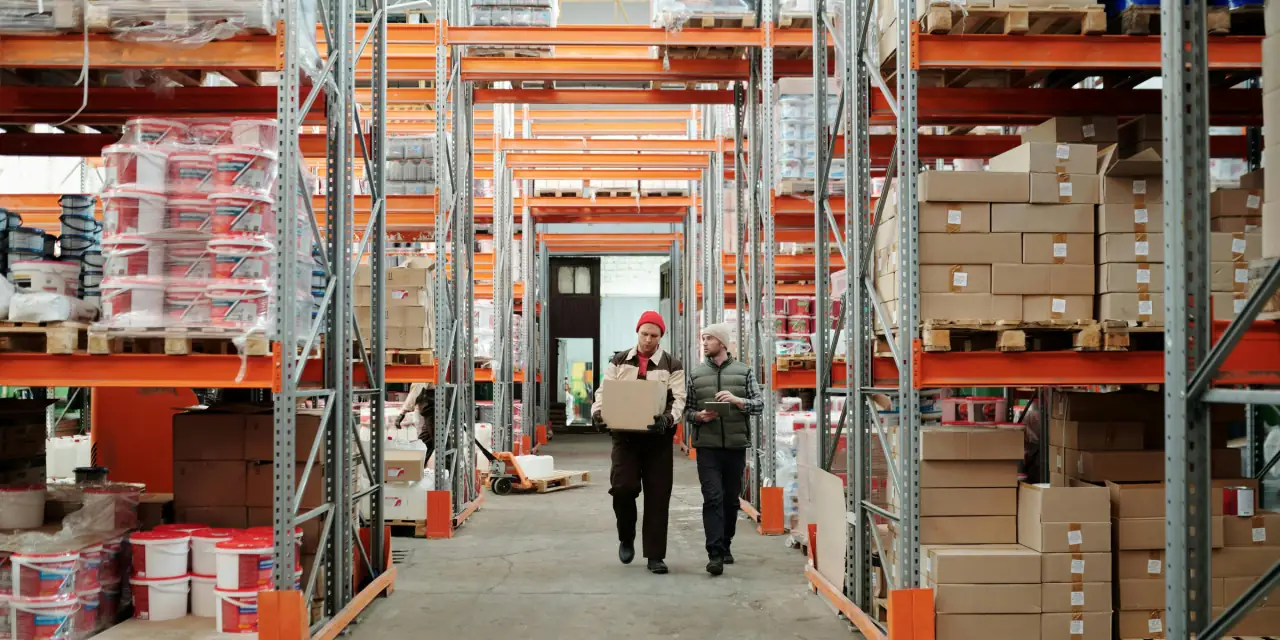
DPU vs DAP: Who Unloads the Goods at Destination?
DPU and DAP are similar destination terms, but unloading responsibility changes the practical delivery plan and cost risk.
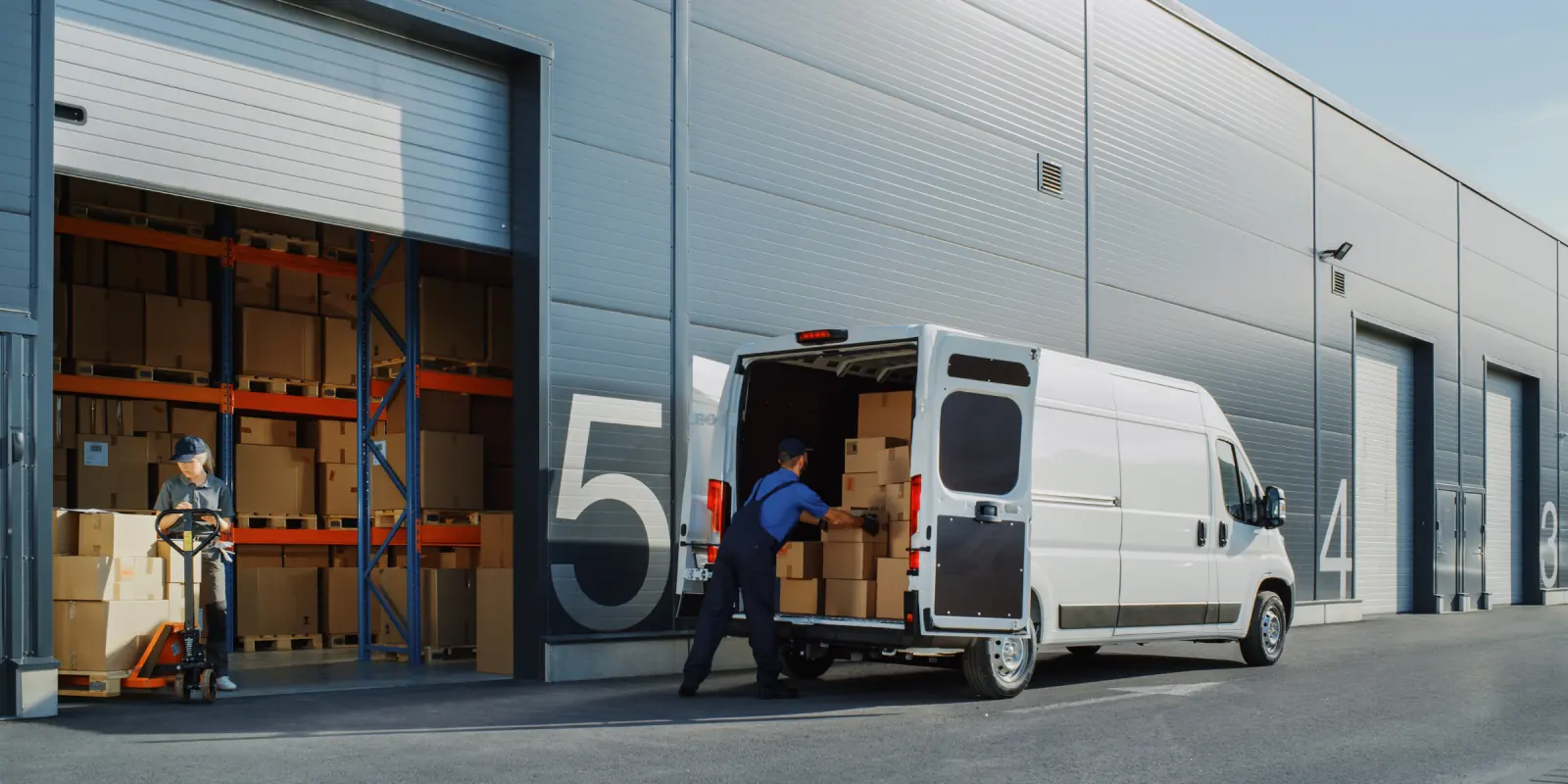
FCA Meaning: A Flexible Trade Term for Buyers
FCA can give buyers control of main freight while keeping export clearance with the seller, but only when the named delivery point and handoff responsibilities are clear.
DDP vs DAP: What Buyers Should Know Before Shipping
DDP and DAP both describe delivery to a destination, but duties, import clearance, tax treatment, and final responsibility can differ in important ways.
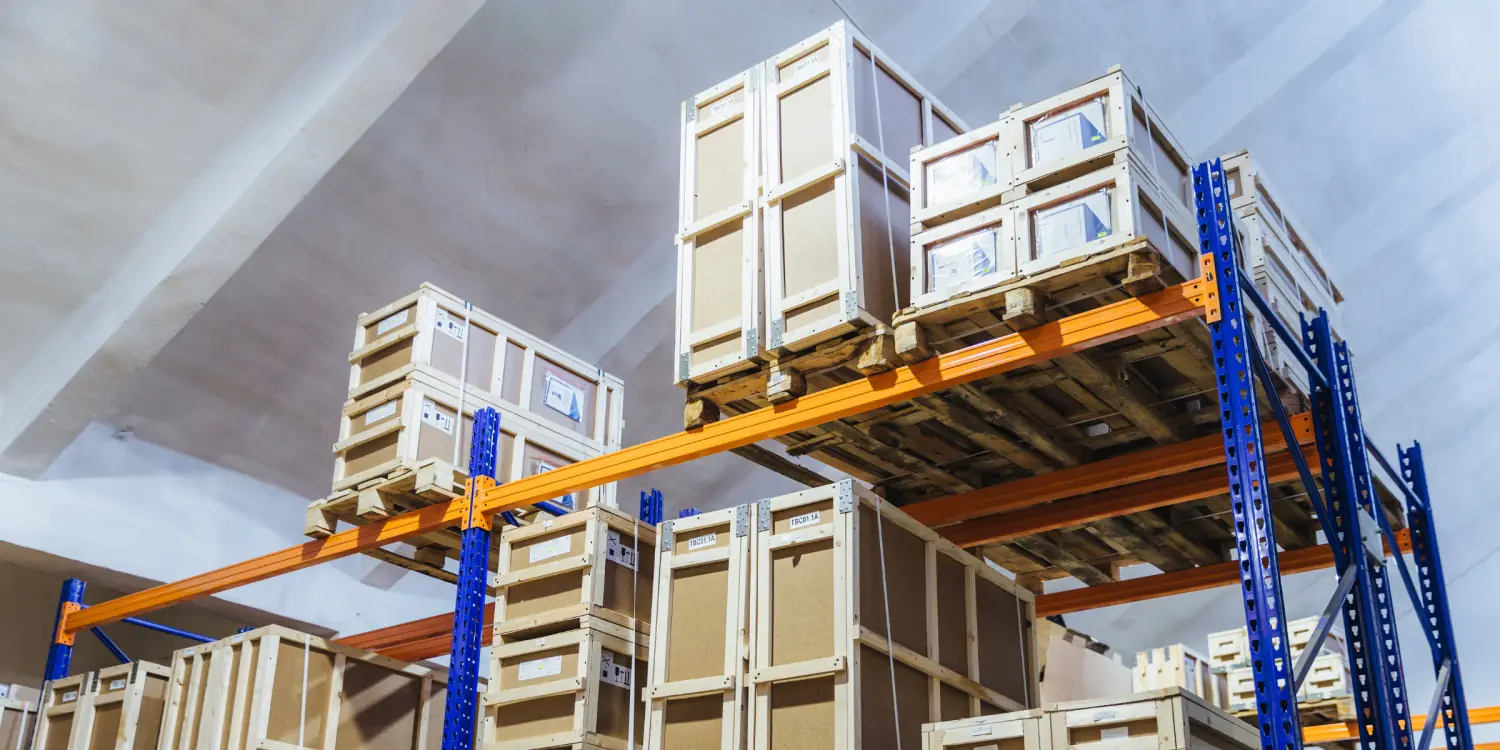
FCA vs FOB: Which Works Better for Container Shipments?
FCA and FOB can both be useful, but the right term depends on container handling, carrier handoff, export responsibility, and how the cargo actually moves.

EXW Meaning: What Buyers Take Responsibility For
EXW can look like a simple factory price, but buyers take on more origin-side responsibility, documentation work, and landed-cost uncertainty.

How to Background Check a Chinese Supplier Before You Place an Order
A supplier background check should verify company identity, product fit, payment entity, documents, sample quality, and inspection readiness before a buyer sends a deposit.

